
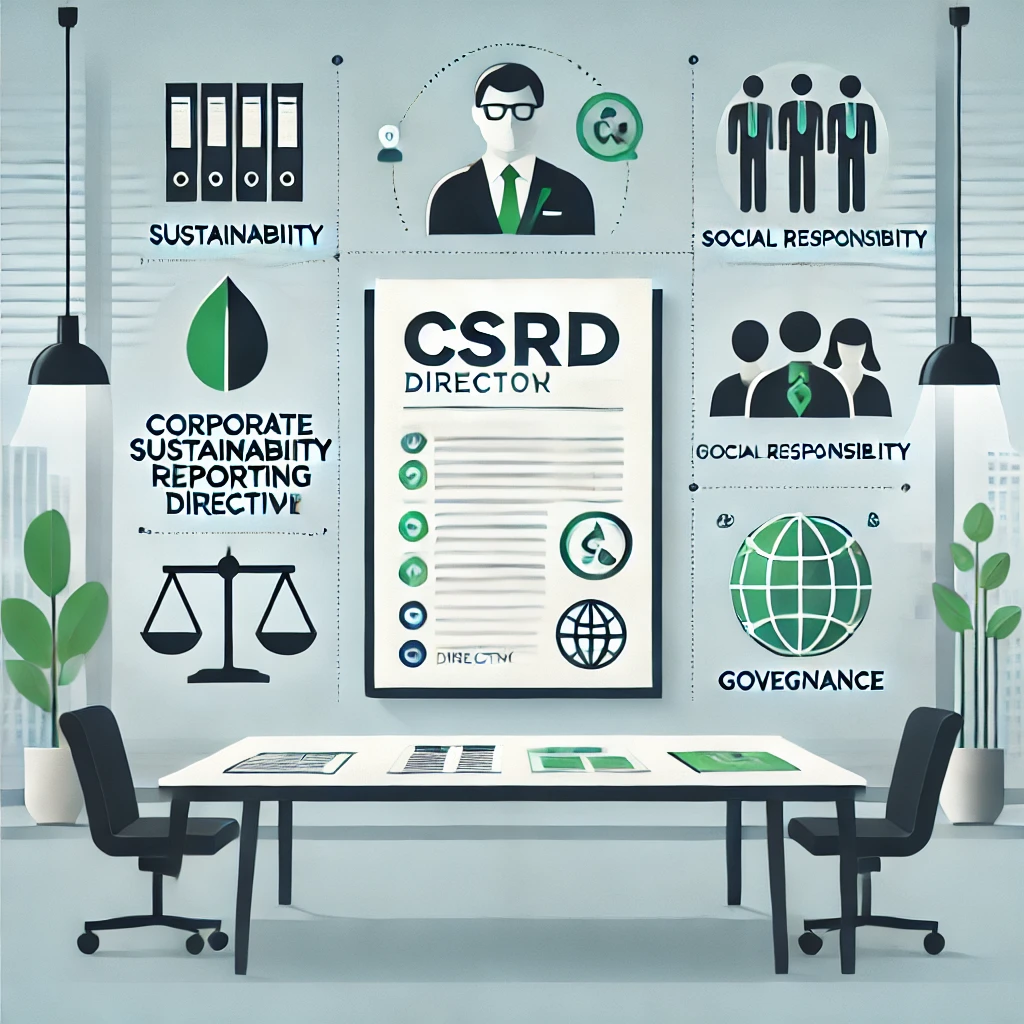
Die CSRD-Richtlinie: ein Wendepunkt für europäische Unternehmen
Die CSRD-Richtlinie (Corporate Sustainability Reporting Directive) markiert einen entscheidenden Wandel für Unternehmen in Europa. Sie wurde im Januar 2023 verabschiedet und zielt darauf ab, die Anforderungen an die Nachhaltigkeitsberichterstattung zu vereinheitlichen und zu stärken. Im Fokus stehen dabei Umwelt-, Sozial- und Governance-Aspekte (ESG, auch als CSR bezeichnet). Diese Richtlinie verpflichtet Unternehmen, mehr Transparenz zu schaffen und ihren Beitrag zu einer nachhaltigen Wirtschaft offenzulegen.
In diesem Artikel geben wir eine umfassende Anleitung, wie Sie die Anforderungen der CSRD-Richtlinie erfolgreich erfüllen. Wir beantworten dabei wichtige Fragen wie: Was ist die CSRD-Richtlinie? Wie wird sie in Deutschland umgesetzt? Und wie unterstützen innovative Unternehmen wie kheoos Organisationen auf dem Weg zur Compliance?
Was ist die CSRD-Richtlinie?
Die CSRD-Richtlinie ist eine europäische Vorschrift, die die bisherige NFRD (Non-Financial Reporting Directive) ersetzt. Während die NFRD nur für etwa 11.700 europäische Unternehmen galt, erweitert die CSRD den Anwendungsbereich erheblich und betrifft nunmehr fast 50.000 Unternehmen.
Ziele der CSRD-Richtlinie
Die Richtlinie verfolgt folgende Ziele:
- Vereinheitlichung der CSR-Berichterstattung innerhalb der EU.
- Mehr Transparenz für Investoren, Kunden und andere Stakeholder.
Unternehmen sollen Nachhaltigkeit verstärkt in ihre Kerngeschäftsstrategien integrieren.
Welche Unternehmen sind betroffen?
Die CSRD gilt für Unternehmen, die mindestens zwei der folgenden Kriterien erfüllen:
- Mehr als 250 Mitarbeitende.
- Umsatz über 40 Millionen Euro.
- Bilanzsumme über 20 Millionen Euro.
Sie erfasst zudem EU-basierte Tochtergesellschaften großer internationaler Konzerne und wird schrittweise auf börsennotierte KMUs ausgeweitet.
Den vollständigen Regelungstext finden Sie in der offiziellen CSRD-Richtlinie.
CSRD-Richtlinie: Text und zentrale Verpflichtungen
Das CSRD-Regelwerk basiert auf den European Sustainability Reporting Standards (ESRS) und schreibt detaillierte Angaben zu folgenden Bereichen vor:
- Klimaschutz: Treibhausgas-Emissionen und Energiewende-Strategien.
- Umwelt: Ressourcenverbrauch, Biodiversitätserhalt und Praktiken der Kreislaufwirtschaft.
- Soziales: Arbeitsbedingungen, Diversität und Inklusion.
- Corporate Governance: Korruptionsprävention, Führungsstrukturen und Transparenz.
Wesentliche Neuerungen der CSRD
- Pflicht zur Prüfung: ESG-Berichte müssen von einem externen Prüfer verifiziert werden.
- Digitale Berichterstattung: Die Berichte müssen in einem standardisierten digitalen Format veröffentlicht werden, um Vergleiche zu erleichtern.
- Doppelte Wesentlichkeit: Unternehmen müssen sowohl ihre Auswirkungen auf Umwelt und Gesellschaft als auch die Bedeutung von ESG-Themen für ihre Geschäftsentwicklung evaluieren.
Wie können Unternehmen auf die CSRD-Richtlinie reagieren?
1. Analyse Ihrer aktuellen Situation
Der erste Schritt besteht darin, Ihren Erfüllungsgrad der ESRS-Standards zu prüfen. Zentrale Fragestellungen sind:
- Verfügen Sie über eine dokumentierte CSR-Strategie?
- Sind Ihre Daten zu Treibhausgasemissionen, Sozialpraktiken und Governance korrekt erfasst?
- Haben Sie Ihre Auswirkungen im Sinne der doppelten Wesentlichkeit identifiziert?
2. CSR-Governance etablieren
Wirksame Compliance erfordert die Einbindung der Unternehmensleitung. Richten Sie ein dediziertes Nachhaltigkeitskomitee ein, das die Datenerfassung, Berichterstattung und Einbindung der Stakeholder überwacht.
3. Datenerhebung und -management stärken
ESG-Daten sollten:
- Präzise sein: Verwenden Sie verlässliche Messmethoden.
- Standardisiert sein: Stimmen Sie sich an den ESRS-Standards aus.
- Nachvollziehbar sein: Sollten für externe Prüfungen bereitstehen.
Technologische Lösungen wie CSR-Datenmanagement-Plattformen können diese Prozesse erheblich vereinfachen.
4. Teams schulen
Stellen Sie sicher, dass Ihre Teams die ESRS-Standards und CSRD-Anforderungen verstehen. Interne Schulungen helfen dabei, das Bewusstsein zu stärken und Kompetenzen aufzubauen.
5. Expertenunterstützung einholen
Spezialisierte Berater für Nachhaltigkeit und Compliance unterstützen Sie dabei, Ihre Prozesse an die regulatorischen Anforderungen auszurichten. Partner wie kheoos können für diesen Prozess besonders wertvoll sein.
Wie unterstützt kheoos Unternehmen bei der CSRD-Compliance?
kheoos: eine Lösung für die CSRD-Richtlinie
kheoos, ein innovatives Unternehmen mit Sitz in Voiron, bietet praktische Lösungen, um Unternehmen bei der Einhaltung der CSRD-Richtlinie zu unterstützen. kheoos ist auf das Management von Ersatzteilen für die industrielle Instandhaltung spezialisiert und erleichtert so den Übergang zu nachhaltigeren und zirkulären Geschäftsmodellen. Hier erfahren Sie, wie ihre Services eine CSR-Strategie gemäß der Richtlinie unterstützen:
1. Optimierung nicht genutzter Lagerbestände mit mykheoos
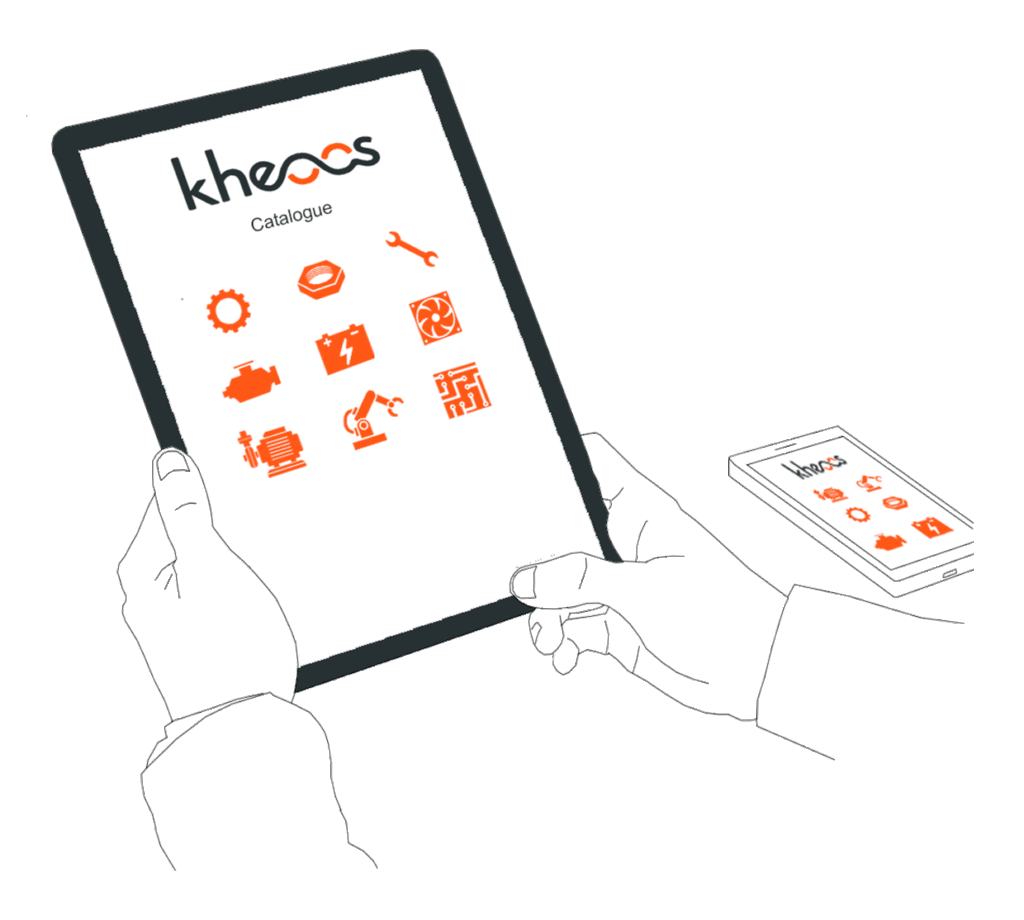
Die mykheoos SaaS-Plattform unterstützt Unternehmen bei der effizienten Verwaltung von Ersatzteillagern. Mithilfe KI-gestützter Analysen können Unternehmen:
- Lagerbestände konsolidieren, um Redundanzen und Verschwendung zu reduzieren.
- Obsoleszenz antizipieren durch präzise Informationen zu Produktlebenszyklen.
- Nicht genutzte Bestände monetarisieren – durch den Weiterverkauf auf dem Kheoos-Marktplatz, wodurch Lagerflächen freigesetzt und neue Einnahmen generiert werden.
Diese Funktionen verringern direkt die Umweltbelastung bei Wartungsarbeiten – ein kritischer Bestandteil der ESG-Berichterstattung gemäß CSRD-Richtlinie.
2. Kreislaufwirtschaft mit kheoos market fördern
kheoos market ist ein B2B-Marktplatz für den Handel mit neuen oder aufbereiteten Wartungsteilen. Er begegnet der Knappheit von Industriekomponenten, verlängert die Lebensdauer von Anlagen und reduziert die Produktion neuer Teile – was die CO2-Bilanz verbessert.
Unternehmen können:
- Unbewegte Lagerbestände verkaufen, mit präziser Wertermittlung durch Kheoos-Algorithmen.
- Seltene oder veraltete Teile finden – dank eines globalen Netzwerks aus Lieferanten und Mitgliedern.
Durch die Förderung der Wiederverwendung unterstützt kheoos Kunden dabei, ihre Geschäftspraktiken an Prinzipien der Kreislaufwirtschaft auszurichten – einem Kernpunkt der neuen CSRD-Richtlinie.
CSR-Impact messen und steigern
Kheoos stellt Werkzeuge bereit, um Umwelteffekte wie CO2-Einsparungen aus der Wiederverwendung von Teilen zu quantifizieren. Diese Kennzahlen lassen sich direkt in Ihre ESG-Berichte integrieren und helfen, die CSRD-Anforderungen vollumfänglich zu erfüllen.
Ein vertrauenswürdiger Partner der Industrie
Dank namhafter Referenzkunden (u.a. Michelin, EDF, Valeo, Saint-Gobain) und Kooperationen mit Organisationen wie ADEME und BPI France ist Kheoos ein anerkannter Vorreiter für nachhaltige Instandhaltung. Der innovative Ansatz verbindet Technologie mit ökologischem Mehrwert und macht kheoos zu einem Schlüsselpartner für Unternehmen, die CSRD-Compliance anstreben.
Weitere Details zu den Leistungen finden Sie auf kheoos.com.
Fazit
Die CSRD-Richtlinie eröffnet Unternehmen die Chance, sich als verantwortungsbewusste und innovative Akteure einer nachhaltigen Wirtschaft zu positionieren. Um die anspruchsvollen Anforderungen zu erfüllen, sind das Verständnis der Verpflichtungen, eine strukturierte Datenbasis und die Einbindung Ihrer Teams unverzichtbar.
Mit Partnern wie kheoos können Industrieunternehmen diese Herausforderungen erfolgreich meistern. Verankern Sie Nachhaltigkeit schon heute im Zentrum Ihrer Strategie – und seien Sie für die Chancen von morgen bereit.
Lesenswert:
- Lesen Sie den vollständigen Regelungstext der CSRD-Richtlinie.
- Erfahren Sie, wie kheoos Ihre Compliance unterstützen kann: kheoos.com
Möchten Sie benachrichtigt werden, sobald neue Artikel erscheinen? Füllen Sie das Formular aus!